
GTA 6 Hurricane and Weather System: How Dynamic Storms Transform Vice City
The complete breakdown of GTA 6's hurricane and dynamic weather simulation — RAGE 9 climate physics, category-by-category storm effects, real-time flooding by district, vehicle handling changes, NPC behavior, and criminal opportunities.
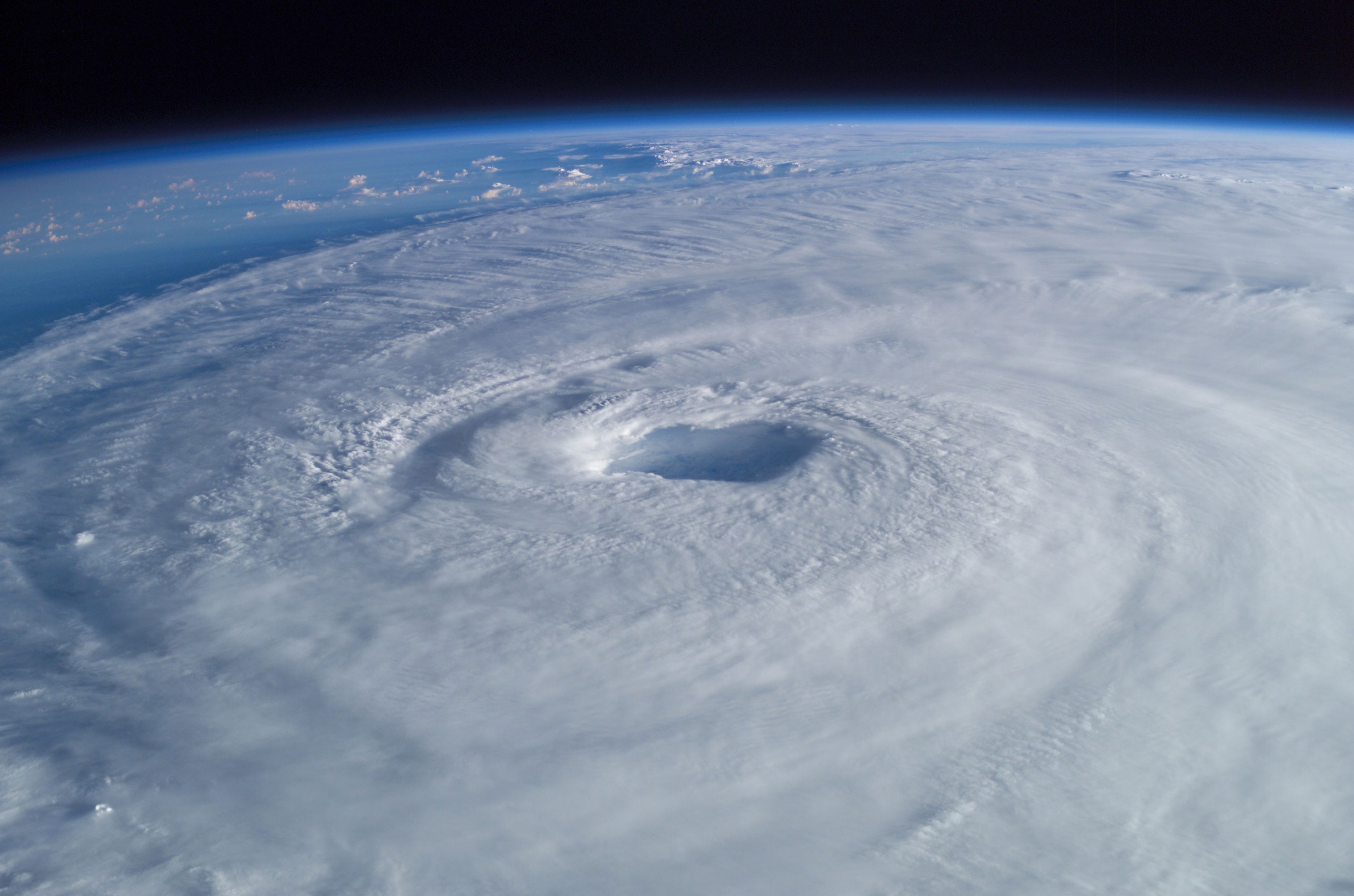
GTA 6 Hurricane and Weather System: How Dynamic Storms Transform Vice City
Florida is the most hurricane-struck state in the United States. In the fourteen years between 2004 and 2018, Florida sustained direct hits from twenty-five named tropical storms and hurricanes. Miami — the real-world blueprint for Vice City — has been evacuated, battered, flooded, and rebuilt more times than any other major American city. When Rockstar Games chose Florida as the setting for GTA VI, they weren't just picking a backdrop. They were committing to a weather system that would fundamentally reshape how an open world game functions.
GTA 6's hurricane and weather system is the most sophisticated dynamic environment ever built into an open world game. This guide covers everything confirmed and credibly anticipated about how weather works in GTA 6 — from the physics of individual raindrop collision on windshields to the map-scale flooding that transforms Vice City into a different city during Category 3 storm surge.
Last Updated: August 2026 | By Erdousky
Table of Contents
- Why Weather Matters More in GTA 6 Than Any Previous Open World
- The RAGE 9 Climate Simulation Engine
- Hurricane Categories and What Each One Does to Vice City
- Tropical Storm vs Hurricane: Gameplay Differences
- Real-Time Flooding: Which Districts Flood and How Deeply
- Vehicle Handling in Storm Conditions: Every Class Affected
- How NPCs and AI React to Weather Events
- Weather and Law Enforcement: How Storms Change the Wanted System
- Criminal Opportunities Created by Major Storm Events
- The Grassriver Swamp in Flood Conditions
- Gator Keys Bridge Conditions During Hurricane Events
- Weather in GTA 6 Online: Shared Sessions and Synchronized Storms
- Historical Comparison: Weather in Previous GTA Games
- Frequently Asked Questions
Why Weather Matters More in GTA 6 Than Any Previous Open World
Every major open world game since GTA III has included some form of weather. Rain falls, lightning flashes, occasional fog rolls in. These systems are generally cosmetic — the rain makes the road look reflective, the thunder provides ambiance, and the gameplay continues exactly as it would on a clear day.
GTA 6 is built around a different premise: weather is a simulation, not decoration.
The distinction is fundamental. In a weather-as-decoration system, rain is a texture applied over the existing world. In a weather-as-simulation system, rain is falling water that interacts with every surface it contacts, accumulates in low-elevation zones, overwhelms drainage infrastructure at sufficient volume, and transforms the physical geometry of the world.
This simulation approach creates several properties that pure decoration systems can't achieve:
Emergent gameplay: Because weather is physically modeled rather than scripted, its effects on gameplay aren't predetermined. A player trapped in a hurricane-flooded street wasn't placed there by a game designer — they drove into flood water that the simulation created based on actual precipitation volume and terrain elevation. The scenario is genuinely unpredictable.
Persistence: Simulation weather has aftermath. Flooding remains after a storm passes. Debris deposited by hurricane winds stays on streets. The physical world is changed, not restored to a pre-storm state.
Player strategy: Knowing a hurricane is incoming changes how players approach criminal operations, vehicle selection, and route planning. Weather creates planning decisions that decoration weather never could.
The RAGE 9 Climate Simulation Engine
Grand Theft Auto 6 runs on RAGE 9 (Rockstar Advanced Game Engine), a substantially rebuilt version of the same engine family that powered GTA V and Red Dead Redemption 2. The weather system within RAGE 9 is referred to internally as the Climate Simulation Layer — a distinct subsystem responsible for atmospheric modeling, precipitation physics, fluid dynamics, and their integration with the world's surface geometry.
What the Climate Simulation Layer Actually Models
Atmospheric pressure gradient: A simplification of real atmospheric physics creates storm cell behavior — pressure differentials drive wind patterns that respond to the terrain topology. Vice City's coastal geography channels wind differently than the flat inland terrain of Grassriver. The Keys' ocean-surrounded geography amplifies wind effects relative to mainland locations.
Precipitation physics: Individual rain drops in GTA 6 have physics properties — they don't fall in uniform vertical columns but respond to wind direction. In a Category 2 hurricane, rain falls nearly horizontally, obscuring vision differently than vertical rainfall and creating asymmetric visual impairment depending on which direction a player is facing.
Surface interaction and accumulation: Water landing on impermeable surfaces (asphalt, concrete, roofing) runs off based on surface grade and channeling. Water accumulation builds in low points — underpasses, low-elevation streets, drainage infrastructure that becomes overwhelmed at sufficient volume. This accumulation model creates the flooding system.
Fluid dynamics for accumulated water: Once water accumulates to street-flooding depth, it behaves according to fluid simulation — it has current, it responds to objects moving through it, and it carries lightweight debris.
Wind physics integration: Wind affects every physical object in the world based on drag coefficients and mass. A cardboard box responds differently to 100 mph hurricane winds than a pickup truck. Lightweight objects become projectiles. Heavy vehicles are affected but manageable. Aircraft are impossible to control.
GPU and Hardware Demands
The weather simulation is one of the primary reasons GTA 6 targets only PS5 and Xbox Series X|S — the older generation hardware cannot sustain the real-time fluid dynamics calculations alongside the base world rendering. On PS5, the SSD streaming architecture allows the game to dynamically load flood-state geometry for affected districts without a load screen as storm conditions intensify.
Hurricane Categories and What Each One Does to Vice City
Tropical Storm (40–73 mph sustained winds)
Tropical storms are frequent events in Vice City — multiple times per in-game year depending on the time-skip and session duration mechanics. They represent the baseline elevated weather state:
- Sustained rain reduces road traction uniformly. Braking distances increase significantly, particularly for sports cars and supercars on Vice City's smooth asphalt
- Street spray from vehicles traveling at speed creates visibility reduction at close range
- Wind at 40–60 mph affects motorcycles and bicycles noticeably — side-on gusts push lightweight vehicles laterally
- Helicopter operation becomes unstable above 60 mph — doable but requiring active correction
- Street flooding limited to confirmed low-elevation zones: underpass approaches, beachfront parking areas, coastal road segments
Category 1 Hurricane (74–95 mph sustained winds)
Category 1 strikes cross the line from inconvenience to genuine hazard:
- Tree canopy failures begin — palm trees bend dramatically, some specimens uproot and deposit on roads
- Rooftop debris (signage, outdoor furniture, air conditioning units from high-rises) becomes projectile risk
- Helicopter flight becomes inadvisable — turbulence at Category 1 is manageable by skilled pilots but at the cost of significant control attention
- Street flooding extends across a wider zone — Vice Beach parking and beachfront retail areas become wading-depth
- Large vehicles (trucks, SUVs) are the most viable transportation; sports cars and supercars lose significant control authority
- Emergency service response degrades — police helicopter deployment ceases, response times increase
Category 2 Hurricane (96–110 mph sustained winds)
- Moderate coastal storm surge flooding extends inland along Vice Beach and Vice City's eastern waterfront
- Driving any vehicle requires constant active steering correction against wind gusts
- Motorcycle travel becomes nearly impossible without sustained effort
- Aircraft of any kind are grounded — fixed-wing planes cannot safely take off
- Power infrastructure begins failing — street lighting cuts out across low-elevation districts, creating dark streets during night-time storm events
- Emergency vehicle response becomes minimal — skeleton crew law enforcement only
- Criminal opportunities expand significantly as security systems lose power backup
Category 3 Hurricane (111–129 mph sustained winds)
Category 3 is the threshold where Vice City's geography fundamentally changes:
- Major coastal flooding: Storm surge 9–12 feet above normal tide levels inundates Vice Beach's first two to three blocks. Streets normally traveled at 100+ mph become 3–5 feet of storm water
- Vice City's lowest-elevation districts — Ocean Beach, parts of the boardwalk, low-lying Port Vice City dock areas — are physically submerged
- Only elevated vehicles (airboats, monster trucks, military vehicles) can transit flooded zones
- Large structural debris — entire building facades, full tree root balls, shipping containers pushed from dock areas — becomes road-blocking hazards
- Law enforcement response is effectively suspended in flooded zones. The wanted system still functions, but physical police pursuit is impossible in underwater streets
- The experience of Vice City under a Category 3 event is genuinely transformed — familiar streets are unrecognizable under flood conditions
Category 4–5 Hurricane (130+ mph sustained winds)
Category 4 and 5 storms represent the most extreme weather states in GTA 6. At these intensities:
- Outdoor movement on foot is dangerous — wind forces knock player characters down, and sustained standing outdoors requires active lean compensation
- The map's passable surface is radically reduced — large contiguous sections of Vice Beach and coastal Port Vice City are inaccessible by standard means
- Interior locations become the primary activity space — surviving the storm inside means watching it through windows as the world outside is dismantled
- The aftermath of a Category 4+ storm leaves Vice City visibly altered — debris fields, displaced vehicles, damaged building facades, standing water in low zones for extended in-game time periods
- The sky state: at full hurricane intensity, the cloud formation creates a visually dramatic rotating wall cloud visible from elevated city vantage points
Tropical Storm vs Hurricane: Gameplay Differences
The graduated weather system creates distinct gameplay contexts at different intensities:
| Weather State | Road Traction | Helicopter | Aviation | Police Response | Flooding Extent |
|---|---|---|---|---|---|
| Clear | 100% | Full | Full | 100% | None |
| Overcast / Light Rain | 95% | Full | Full | 100% | None |
| Heavy Rain | 80% | Normal | Minor limits | 95% | Underpasses only |
| Tropical Storm | 65% | Possible, unstable | Advised limit | 85% | Low areas |
| Category 1 | 50% | Difficult | Grounded recommended | 70% | Vice Beach fringe |
| Category 2 | 35% | Not recommended | Grounded | 50% | Coastal blocks |
| Category 3 | 20% | Impossible | Grounded | 20% | Multi-block flooding |
| Category 4+ | Near-zero | Impossible | Impossible | <10% | Major inundation |
Real-Time Flooding: Which Districts Flood and How Deeply
Leonida's flood map is based on the actual elevation profile of the map, cross-referenced with storm surge modeling. High-elevation areas are never flood-affected regardless of storm intensity. Flooding is concentrated in:
Vice Beach (Always Floods First)
Vice Beach sits at approximately 3–5 feet above sea level across most of its footprint. Even Category 1 storm surge pushes water across the beach proper and into the first line of beachfront structures. By Category 3, the iconic Ocean Drive equivalent is under 2–4 feet of storm water.
Underpass Networks and Below-Grade Roads
Vice City's highway overpasses create natural drainage collection points. Below-grade road sections — the kind that pass under elevated highways — are the first non-coastal locations to flood, collecting runoff from both the overpass surface and surrounding streets.
Port Vice City Dock Areas
Low-elevation industrial dock land adjacent to the ocean floods from storm surge along the eastern waterfront. Container storage areas, parking lots, and low-rise warehouse districts become wading territory in Category 2+ conditions.
Grassriver Basin
The swamp interior isn't technically at flood risk in the traditional sense — it's already a water environment. But heavy rainfall dramatically raises Grassriver's water table, expanding the navigable waterway network while cutting off dirt road crossings that are passable in normal conditions.
Vehicle Handling in Storm Conditions: Every Class Affected
Sports Cars and Supercars
The vehicles hardest hit by storm conditions. Low ground clearance means even shallow flooding (6–12 inches) creates hydroplaning and potential engine flooding. High top speeds become irrelevant when maximum safe wet-road speed drops to 40–50 mph to maintain any cornering control. In Category 2+ wind, the aerodynamic profile of low-slung supercars creates significant crosswind instability.
Sedans and SUVs
The most reliable storm-condition transportation. Higher ground clearance handles shallow flooding. Weight provides wind resistance. Mid-size SUVs represent the ideal balance for Vice City storm conditions — fast enough to escape pursuit when necessary, capable enough to push through flooded intersections that stop sports cars.
Trucks and Large Vehicles
Maximum flood capability, minimum agility. A Mack truck-class vehicle can push through 18–24 inches of flood water that would stop any passenger vehicle. Critical for escort missions during storm events or for transporting high-value cargo when normal vehicle classes are compromised.
Motorcycles and Bicycles
Effectively unrideable above tropical storm intensity. Crosswind forces at Category 1+ create lateral forces that exceed the motorcycle's ability to counterbalance through normal lean mechanics. The physics model applies genuinely — this isn't an artificial restriction but a simulation of real motorcycle wind vulnerability.
Boats
The paradox vehicle of storm conditions: boats become useful where everything else fails (flooded streets) but dangerous in the open ocean where storm surge creates dangerous wave conditions. In Vice City's flooded grid streets, an airboat or flat-hull small craft becomes the only means of rapid transit.
Helicopters
Refer to the category breakdown above. Tropical storm conditions require pilot skill. Category 1 is marginal. Category 2+ is inadvisable. Category 3+ is impossible — the rotor system simply cannot overcome the turbulence differential.
How NPCs and AI React to Weather Events
GTA 6's NPC behavior system is aware of weather state and responds accordingly. This isn't a static animation swap — it's AI behavioral modification:
Civilian Response
- At heavy rain onset, NPCs transition to covered locations. Street density drops significantly — pedestrians seek awnings, enter buildings, or wait at covered transit stops
- At tropical storm intensity, street-level civilian foot traffic ceases almost entirely. Vice Beach's normally packed boardwalk becomes empty
- During Category 2+ events, NPCs in vehicles pull over and wait rather than continuing to drive through dangerous conditions
- After a storm, NPCs emerge gradually — first cautiously, then with increased activity as they inspect damage, photograph debris, and return to normal routines
Emergency Services
- Police continue patrol in light and moderate rain with no behavioral modification
- At tropical storm intensity, patrol patterns contract — fewer units active, slower response times
- At Category 2+, helicopter support is grounded. Response consists only of ground units willing to operate in storm conditions
- At Category 3+, police response to lower wanted levels may be delayed or absent entirely — officers are implicitly dealing with storm-related emergencies
Criminal NPC Behavior
Gang and criminal NPC activity also responds to weather. Major storm events historically in real Miami have created opportunities for organized crime to operate more freely under reduced law enforcement capacity — GTA 6 models this. Gang territory disputes and organized criminal activity increase in frequency after major storms, creating more dynamic street-level crime that Jason and Lucia can interact with.
Criminal Opportunities Created by Major Storm Events
The reduced law enforcement capacity during storms creates specific windows that an astute criminal can exploit:
Security System Failures
Hurricane-force winds damage power infrastructure. Buildings relying on commercial power (not generator backup) lose their electronic security systems — alarms, cameras, electronic locks. A targeted commercial robbery during a Category 2+ event may be completable without triggering an alarm at all, dramatically reducing the risk profile of the operation.
Post-Storm Looting Windows
In the hours after a major hurricane makes landfall and then weakens, there is historically a period where law enforcement is overwhelmed with rescue and infrastructure response. GTA 6 models this post-storm window as a time of elevated lawlessness — shop security is depleted, police response is delayed, and organized looting operations are feasible in ways they wouldn't be under normal conditions.
Storm-Surge-Revealed Opportunities
Major flooding occasionally exposes or creates access to locations that aren't normally accessible. Drainage systems breached by storm surge may open underground access routes. Buildings compromised by flood damage may have structural weaknesses that provide new entry points for robbery.
Frequently Asked Questions
Are hurricanes random events or can players trigger them?
Hurricanes follow a simulated meteorological calendar — they cannot be manually triggered by players. The game's weather system advances through normal Florida weather patterns (sunshine, afternoon thunderstorms, tropical depressions) and occasionally escalates to hurricane events based on its internal simulation. The timing is not scripted to specific story beats but emerges from the weather simulation.
How often do hurricanes occur in GTA 6?
Frequency has not been officially confirmed. Florida's real hurricane season runs June through November, and the game's internal calendar is tied to seasonal parameters. Expect tropical storms to be relatively frequent (perhaps several per in-game month) with true hurricane events being rarer and more impactful.
Can you die from hurricane conditions?
Yes. Sustained Category 3+ conditions include projectile debris risk, flood water drowning mechanics (falling into deep flood water with no nearby exit), and vehicle control loss that can result in fatal collisions at wind-amplified speeds.
Does weather affect wanted stars and police pursuit?
Yes. The wanted level system remains active during storms, but police capability degrades proportionally to storm intensity. At Category 3+, evading police becomes significantly easier because helicopter support is grounded and ground units cannot pursue effectively through flooded streets.
Is the weather the same in GTA 6 Online sessions?
Yes. GTA 6 Online sessions share a single synchronized weather state — all players in a session experience the same storm simultaneously. This prevents the exploitable discrepancy of one player having clear weather while another has a hurricane.
This guide will be updated as more information is confirmed about GTA 6's weather system. GTA 6 launches November 19, 2026 on PlayStation 5 and Xbox Series X|S.

Written by
Erdousky · Founder & EditorLifelong gamer, longtime GTA player, and the sole writer here. Has built a handful of small unpublished games, which is mostly what makes the technical side of Rockstar's work so interesting to write about.
Comments
Be the first to comment.
Related Articles
GTA 6 Leak: 192GB of 2022 Rockstar Hack Files Resurface
A 192GB leak traces back to Rockstar's 2022 hack, mixing early GTA 6 assets with unseen GTA 5 cut content. Here's what's actually new, and what isn't.
GTA 6 Take-Two Investor Backlash: Inside the Shareholder Clash
An investor blasted Take-Two over "years of delays" and franchise reliance at its Sept 17 meeting. Here's how CEO Strauss Zelnick fired back.
GTA 6 Online: Take-Two Confirms No Multiplayer at Launch
Take-Two just confirmed GTA 6 launches single-player only on November 19, while the original GTA Online keeps getting support well beyond release.